
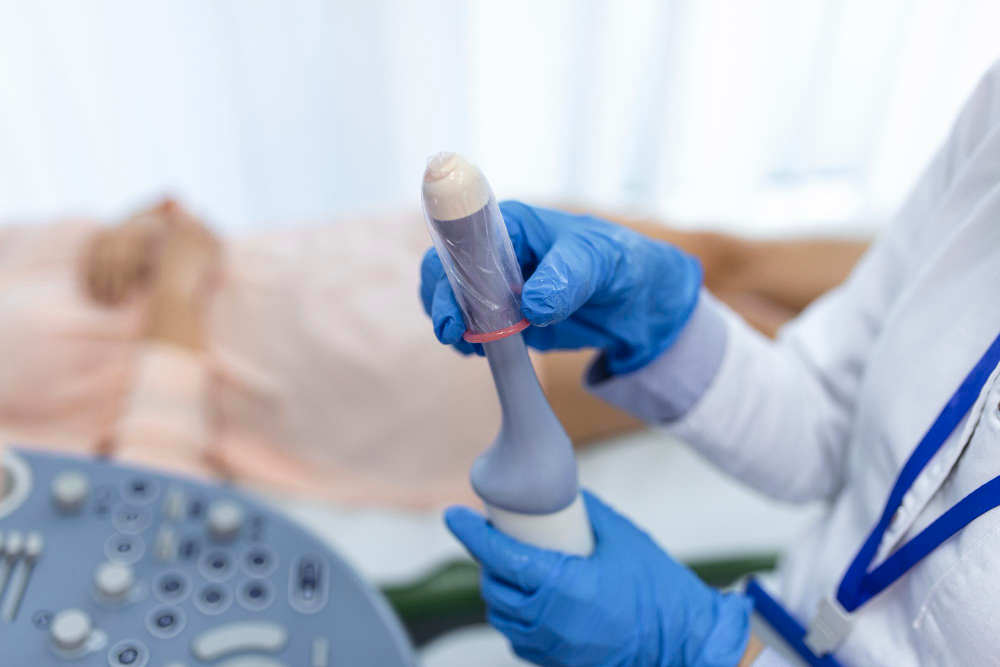
Ultrasound TVS pelvis is a common test in radiology. It helps doctors see the organs inside a woman’s pelvis. TVS stands for transvaginal sonography. This test uses sound waves to make pictures of the uterus, ovaries, and other pelvic organs. Because it is safe and painless, many doctors recommend it for women’s health checks. In fact, ultrasound TVS pelvis is often used to find the cause of pelvic pain or unusual bleeding.
What is an Ultrasound TVS Pelvis?
Ultrasound TVS pelvis, also called transvaginal ultrasound, is a special type of pelvic ultrasound. Instead of placing the probe on the belly, the doctor gently inserts a thin probe into the vagina. This gives a clear view of the pelvic organs. As a result, doctors can spot small changes or problems that may not show up on a regular ultrasound. According to the World Health Organization (WHO), ultrasound is safe and does not use radiation.
Why is Ultrasound TVS Pelvis Performed?
Doctors use ultrasound TVS pelvis for many reasons. Sometimes, women have pelvic pain or heavy periods. Other times, they may have trouble getting pregnant. In these cases, a transvaginal ultrasound helps find the cause. Here are some common reasons for this test:
Because it gives detailed images, the pelvic ultrasound procedure is very helpful for women’s health.
How to Prepare for the Procedure
Preparing for an ultrasound TVS pelvis is simple. Most women do not need to do much. However, a few steps can help make the test easier:
Usually, you do not need to fast or stop taking medicines. Still, always follow your doctor’s advice.
Step-by-Step Procedure Overview
Knowing what happens during a TVS scan can help you feel calm. Here is a step-by-step overview:
The whole pelvic ultrasound procedure usually takes 15 to 30 minutes.
What to Expect During and After the Test
During the ultrasound TVS pelvis, you may feel mild pressure, but it should not hurt. If you feel pain, tell the doctor right away. Most women feel comfortable during the test. After the scan, you can return to your normal activities. There is no downtime. Sometimes, you may notice a small amount of gel left behind, but you can wipe it away easily. Your doctor will explain the results, often within a few days.
Benefits and Limitations
Ultrasound TVS pelvis has many benefits. However, it also has some limits. Here are the main points:
But, there are some limitations:
Even so, the TVS scan benefits often outweigh the limits for most women.
Safety and Risks
According to the CDC and WHO, ultrasound TVS pelvis is very safe. It does not use X-rays or harmful radiation. Most women have no side effects. However, a few risks may include:
If you have concerns, talk to your doctor before the test. They can answer your questions and help you feel at ease.
Frequently Asked Questions
For more information, you can visit trusted sources like the CDC or WHO.
Conclusion: If your doctor suggests an ultrasound TVS pelvis, do not worry. The test is safe, quick, and helpful for many women’s health issues. Consult a radiology specialist for personalized advice about ultrasound TVS pelvis.