
What Is a Breast Ultrasound?
A breast ultrasound is a safe imaging test. It uses sound waves to create pictures of the inside of your breast. Doctors often use it to look at breast lumps or changes found during a physical exam or mammogram. Because it does not use radiation, it is safe for most people. Many women and men have this test each year for different reasons.
When and Why Is a Breast Ultrasound Recommended?
Doctors may suggest a breast ultrasound for several reasons. For example, it helps check a lump found during a breast exam. Sometimes, it is used to look at changes seen on a mammogram. In addition, it can help guide a needle during a biopsy. Here are common reasons for this test:
Because it is quick and painless, many doctors recommend it as a first step for certain breast concerns.
How to Prepare for a Breast Ultrasound
Preparing for a breast ultrasound is simple. Usually, you do not need to do much. However, there are a few tips to help you get ready:
Most people can eat and drink as usual before the procedure. If you have questions, ask your healthcare provider for advice.
What Happens During the Procedure?
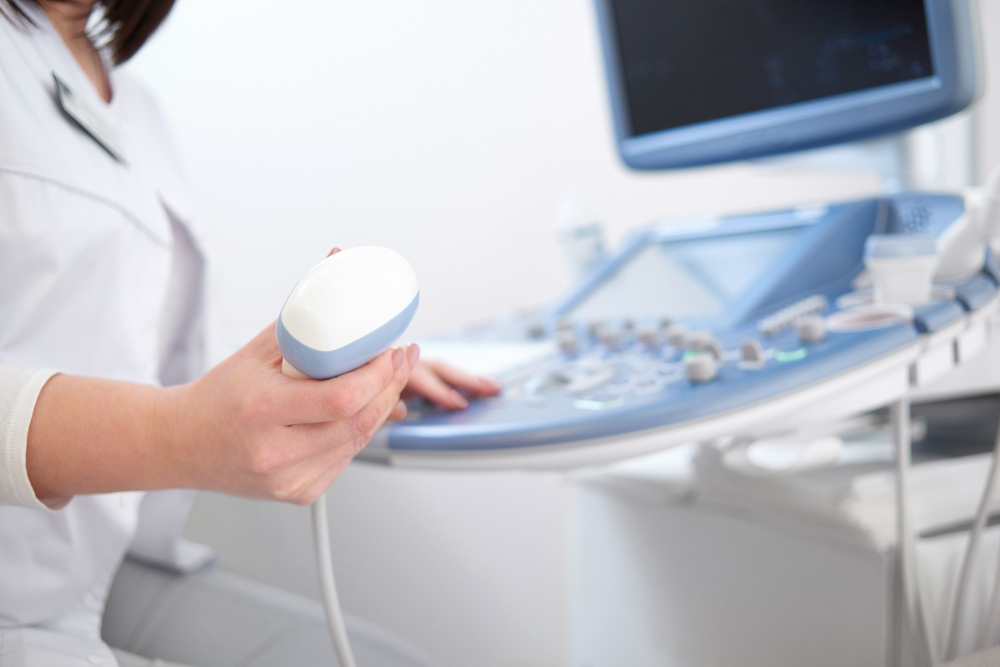
During a breast ultrasound, you will lie on your back or side. A technician or doctor will place a clear gel on your breast. This gel helps the sound waves travel better. Next, they will move a small device called a transducer over your skin. You may feel slight pressure, but it should not hurt. The test usually takes about 15 to 30 minutes. After the test, you can return to your normal activities right away.
Benefits and Limitations
Breast ultrasound offers many benefits. For instance, it is safe, painless, and does not use radiation. It can help find cysts, solid lumps, or other changes in the breast. However, it does have some limits. For example, it may not find very small lumps. Also, it cannot always tell if a lump is cancerous. Here are some key points:
Understanding Results and Next Steps
After your breast ultrasound, a doctor will review the images. Sometimes, you get results the same day. Other times, you may wait a few days. The results will show if there are cysts, solid lumps, or other changes. If the test finds something unusual, your doctor may suggest more tests, such as a biopsy or MRI. However, many findings are harmless and need no treatment. Always talk to your doctor about your results and next steps.
Safety and Risks
Breast ultrasound is very safe. It does not use radiation, so there is no risk from X-rays. Most people do not feel any pain during the test. Rarely, you may feel mild discomfort from the pressure of the transducer. There are no known long-term risks. According to the World Health Organization (WHO) and the Centers for Disease Control and Prevention (CDC), ultrasound is a safe imaging choice for most people.
Frequently Asked Questions (FAQs)
Prevention and Lifestyle Guidance
While a breast ultrasound helps find problems, it does not prevent them. However, you can take steps to keep your breasts healthy. For example, do regular self-exams and see your doctor for routine check-ups. Eat a balanced diet, stay active, and avoid smoking. Early detection is key, so talk to your doctor if you notice any changes in your breasts.
In summary, breast ultrasound is a safe and helpful test for many people. If you have concerns about your breast health, consult a healthcare provider for personalized advice about breast ultrasound.