
What is a CT Brain Scan?
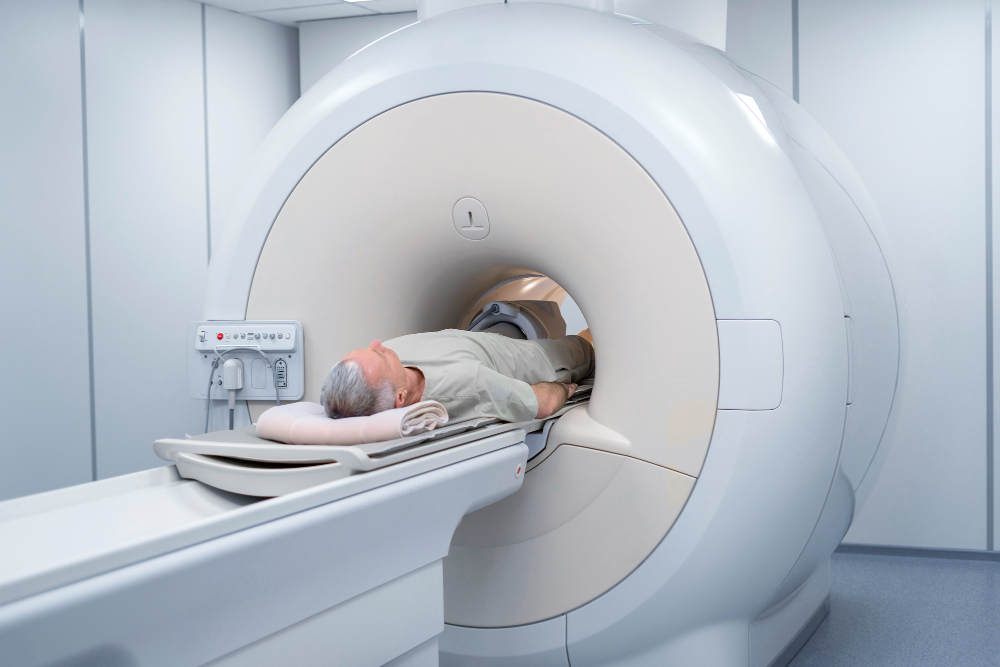
A CT brain scan is a special X-ray test. It takes detailed pictures of your brain. Doctors use a CT brain scan to look for problems inside your head. Sometimes, it is called a “CAT scan.” The scan uses a machine that moves around your head. It creates images that help doctors see your brain clearly. Because of this, it is a common test in hospitals and clinics.
Why is a CT Brain Scan Done?
Doctors order a CT brain scan for many reasons. For example, it helps find the cause of headaches or sudden confusion. It can also show bleeding, injuries, or tumors in the brain. Here are some common reasons for a CT brain scan:
In addition, doctors may use a CT brain scan to check for infections or swelling. Sometimes, it helps guide other treatments or surgeries. If you search for a “CT brain scan near me,” you will find many hospitals offering this test.
How to Prepare for a CT Brain Scan
Preparing for a CT brain scan is simple. Most people do not need to do much. However, your doctor will give you clear instructions. Here are some tips to help you get ready:
Sometimes, you may need to arrive early. This gives time for paperwork or questions. If you are nervous, let the staff know. They are there to help you feel comfortable.
The CT Brain Scan Procedure: Step-by-Step
Knowing what to expect from a CT brain scan can ease your worries. The procedure is quick and painless. Here is a step-by-step guide:
Most scans take less than 15 minutes. The staff will guide you through each step. If you have questions, ask before the scan begins.
Risks and Safety of CT Brain Scans
CT brain scans are safe for most people. However, like any test, there are some risks. The scan uses a small amount of radiation. According to the CDC, the risk from one scan is very low. Still, doctors only order a CT brain scan when needed.
Here are some possible risks:
Most people do not have any side effects. If you have allergies or kidney problems, tell your doctor. They will take extra care to keep you safe.
What Do CT Brain Scan Results Mean?
After your scan, a doctor called a radiologist looks at the images. They check for any signs of bleeding, swelling, tumors, or other problems. Your doctor will explain the results to you. Sometimes, the scan shows normal results. Other times, it helps find the cause of your symptoms.
If the scan finds something unusual, your doctor will discuss the next steps. This may include more tests or treatment. Remember, only a doctor can explain what your CT brain scan results mean for you.
Frequently Asked Questions about CT Brain Scans
Tips for a Comfortable Experience
Although a CT brain scan is quick, it helps to be prepared. Here are some tips for a smooth visit:
With these tips, you can feel more at ease during your CT brain scan procedure.
Conclusion
In summary, a CT brain scan is a safe and helpful test. It gives doctors clear images of your brain. If you have questions about the CT brain scan procedure, risks, or results, talk to your healthcare provider. Consult a healthcare professional for personalized advice about CT brain scans.